Center for Zoo Animal Welfare
Impacts of Construction-Related Sound and Vibration on Reptiles
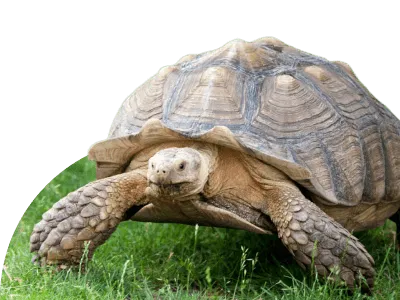
Reptiles have unique sensory abilities, including both adaptations for processing auditory stimuli outside of the range of human perception and reliance on vibration as a means of navigating their environment. Unlike mammals and birds, we have a relatively limited understanding of how changes in environmental stimuli – particularly those from human-made sources – may impact reptile welfare. In 2020, the Detroit Zoo’s Holden Reptile Conservation Center (HRCC) was closed to the public for renovations. With the help of accelerometers to measure vibration and sound meters to measure sound levels, we were able to monitor fluctuations in these important environmental stimuli across the construction period. We paired these data with behavioral observations to measure welfare impacts across 10 different reptile species including Arrau turtles (Podocnemis expansa), beaded lizards (Heloderma horridum), Catalina Island rattlesnakes (Crotalus catalinensis), Chinese alligators (Alligator sinensis), dwarf caimans (Paleosuchus palpebrosus), a Fly River turtle (Carettochelys insculpta), European glass lizards (Pseudopus apodus), matamata turtles (Chelus fimbriata), a Sonoran black iguana (Ctenosaura similis) and yellow-spotted Amazon River turtles (Podocnemis unifilis). We are investigating shifts in space use, behavioral diversity and frequency of species-typical behaviors as welfare indicators to understand how species respond to the sensory stimuli from the construction activity. These data will help inform how we support these animals through future construction events and provide insight into how the soundscape and vibration of the environments we create can be modified to better support or enrich the lives of reptiles in zoos and aquariums.
See All Other Projects
- 1.A Retrospective Analysis of Polar Bear Cub Growth and Development
- 2.Behavioral and Physiological Development of Polar Bear Cubs
- 3.Behavioral and Physiological Indicators of Welfare in Wyoming Toads
- 4.Behavioral Effects of Visitor Presence on Six Reptile Species
- 5.Denning in Female Polar Bears
- 6.Effects of Cataract Surgery on Crested Penguins
- 7.Exploring and Mitigating Visitor Effects on Reptile Welfare
- 8.Impact of Behavioral Opportunities on Aardvark Welfare
- 9.Impacts of Installing New Habitat Structures on Mammal Welfare
- 10.Implications of Personality in Blanding’s Turtles
- 11.Increasing Space and Habitat Complexity for King Penguin Welfare
- 12.Japanese Giant Salamander Husbandry and Habitat Design
- 13.Maternal Care and Juvenile Development in Red Pandas
- 14.Monitoring Animal Well-Being Throughout the Opening of Fred and Barbara Erb Discovery Trails
- 15.Penguin Pair Fidelity, Nest Preferences and Egg Production
- 16.Physiological and Behavioral Assessment Tools for Evaluating Gorilla Welfare Throughout Inter-Institutional Transfers
- 17.The Effects of Habitat Complexity on Snake Welfare
- 18.The Impact of Browse on the Welfare of Gorillas
- 19.Using Foraging Ecology to Understand Warthog Habitat Preferences
- 20.Using Infrared Thermography to Understand Gorilla Welfare
- 21.Validating a New Indicator of Welfare for Grizzly Bears
- 22.Validating and Applying a Qualitative Behavioral Assessment Tool Designed for Gorillas
- 23.Visitor Effects on Kangaroos During and After a Covid Zoo Closure
- 24.Welfare Effects of Injuries Obtained in the Wild for Non-Releasable Sandhill Cranes