Center for Zoo Animal Welfare
Physiological and Behavioral Assessment Tools for Evaluating Gorilla Welfare Throughout Inter-Institutional Transfers
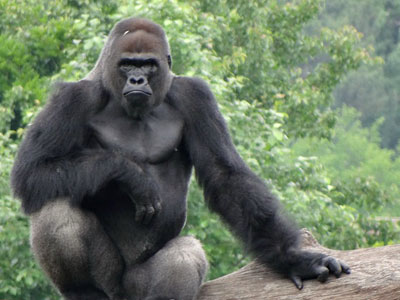
As of 2023, western lowland gorillas (Gorilla gorilla gorilla) are housed at 49 zoos accredited by the Association of Zoos and Aquariums (AZA). Responsible population management and sustainability often necessitate transferring individuals between these zoos. However, this process is extensive and can include pre-shipment examinations, environmental changes and post-arrival quarantine periods — all before actually being introduced to a new habitat, new caretakers and potentially new social group members. Thanks to generous funding support from both the AZA Animal Care and Wellbeing Grants Fund and the American Society of Primatologists Melinda Novak Animal Welfare Grant, we are currently partnering with 11 other zoos to monitor 19 gorillas scheduled for transfers. In collaboration with the DZS’s Great Ape Heart Project as well as husbandry and veterinary teams at each institution, we are collecting qualitative behavioral data, monitoring cardiovascular responses via implantable loop recorders, and collecting fecal, urine and blood samples that will be assayed for biomarkers of stress. These comprehensive physiological and behavioral measures will allow us to validate meaningful non-invasive welfare indicators, including a measure of oxidative stress, DNA damage. We will also be able to investigate relationships between transport stress, DNA damage and cardiac health. Given that heart disease is the leading cause of death for gorillas in human care, these relationships are critical. We hope to provide insight into what individuals experience during transfers and help ensure that we are proactive in implementing management protocols that support optimal well-being for gorillas.
See All Other Projects
- 1.Behavioral and Physiological Development of Polar Bear Cubs
- 2.Behavioral Effects of Visitor Presence on Six Reptile Species
- 3.Effects of Cataract Surgery on Crested Penguins
- 4.Exploring and Mitigating Visitor Effects on Reptile Welfare
- 5.Impact of Behavioral Opportunities on Aardvark Welfare
- 6.Impacts of Installing New Habitat Structures on Mammal Welfare
- 7.Implications of Personality in Blanding’s Turtles
- 8.Increasing Space and Habitat Complexity for King Penguin Welfare
- 9.Monitoring Animal Well-Being Throughout the Opening of Fred and Barbara Erb Discovery Trails
- 10.The Effects of Habitat Complexity on Snake Welfare
- 11.The Impact of Browse on the Welfare of Gorillas
- 12.Using Foraging Ecology to Understand Warthog Habitat Preferences
- 13.Using Infrared Thermography to Understand Gorilla Welfare
- 14.Validating a New Indicator of Welfare for Grizzly Bears
- 15.Validating and Applying a Qualitative Behavioral Assessment Tool Designed for Gorillas
- 16.Visitor Effects on Kangaroos During and After a Covid Zoo Closure
- 17.Welfare Effects of Injuries Obtained in the Wild for Non-Releasable Sandhill Cranes