Center for Zoo Animal Welfare
Monitoring Animal Well-Being Throughout the Opening of Fred and Barbara Erb Discovery Trails
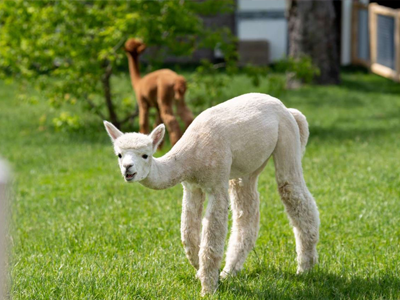
The opening of Fred and Barbara Erb Discovery Trails was significant not just for staff and guests, but also for the animals moving into new habitats or returning to renovated spaces. Monitoring significant life events, like habitat construction and special events, is critical for ensuring that animals living in zoos are supported throughout major transitions. The new Erb Discovery Trails is home to domestic goats (Capra aegagrus hircus), alpacas (Lama pacos), miniature donkeys (Equus asinus domestic miniature), domestic chickens (Gallus gallus), giant anteaters (Myrmecophaga tridactyla), bush dogs (Speothos venaticus), prairie dogs (Cynomys leucurus) and burrowing owls (Athene cunicularia) — in addition to four elasmobranch species brownbanded bamboo sharks (Chiloscyllium punctatum), whitespotted bamboo sharks (Chiloscyllium plagiosum), cownose rays (Rhinoptera bonasus) and southern stingrays (Hypanus americanus) housed in Aaron and Carolynn Frankel Stingray Cove. Throughout Erb Discovery Trails, we are using diverse and innovative methodologies to assess how animals are adjusting to their new spaces, the presence and density of guests, and other anthropogenic stimuli. Our monitoring primarily includes behavioral observations and sound level dataloggers. For the goat herd that resides in the new interactive yard, we have also added a specially designed affective assessment tool and collection of hair for hormonal monitoring through the CZAW Endocrinology Lab. We are particularly interested in investigating how animals like the elasmobranchs and the goats respond to the new opportunities to interact with guests. These data will help us adjust and perfect how we offer these experiences and individualize daily animal care and husbandry.
See All Other Projects
- 1.Behavioral and Physiological Development of Polar Bear Cubs
- 2.Behavioral Effects of Visitor Presence on Six Reptile Species
- 3.Effects of Cataract Surgery on Crested Penguins
- 4.Exploring and Mitigating Visitor Effects on Reptile Welfare
- 5.Impact of Behavioral Opportunities on Aardvark Welfare
- 6.Impacts of Installing New Habitat Structures on Mammal Welfare
- 7.Implications of Personality in Blanding’s Turtles
- 8.Increasing Space and Habitat Complexity for King Penguin Welfare
- 9.Physiological and Behavioral Assessment Tools for Evaluating Gorilla Welfare Throughout Inter-Institutional Transfers
- 10.The Effects of Habitat Complexity on Snake Welfare
- 11.The Impact of Browse on the Welfare of Gorillas
- 12.Using Foraging Ecology to Understand Warthog Habitat Preferences
- 13.Using Infrared Thermography to Understand Gorilla Welfare
- 14.Validating a New Indicator of Welfare for Grizzly Bears
- 15.Validating and Applying a Qualitative Behavioral Assessment Tool Designed for Gorillas
- 16.Visitor Effects on Kangaroos During and After a Covid Zoo Closure
- 17.Welfare Effects of Injuries Obtained in the Wild for Non-Releasable Sandhill Cranes