Center for Zoo Animal Welfare
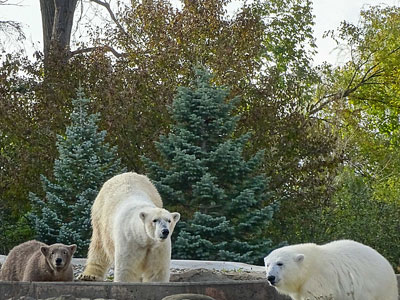
A Retrospective Analysis of Polar Bear Cub Growth and Development
A significant, but sometimes neglected, source of data for zoos accredited by the Association of Zoos and Aquariums (AZA) is historical records. While the robusticity of historical records varies substantially, especially as the records get older, there is a wealth of knowledge from past decades just waiting to be collated and assessed. Staff from CZAW have launched a broad multi-institutional study compiling polar bear (Ursus maritimus) growth and rearing records from Species360 and almost 50 AZA-accredited institutions spanning from the 1950s all the way through 2022. Using weights and milestone records from the first year of life, we can track healthy physical development and growth trajectories for these animals. Additionally, we can consider important variables such as sex, whether the cub was mother- or hand-raised, whether the cub was wild-born, cub mortality and age at death, and how cub growth and development in human care has changed over the passing decades. In a time when supporting a stable and sustainable polar bear population is of the utmost importance, having benchmarks by which to monitor newborn polar bears can make all the difference in ensuring that cubs survive, thrive and ultimately join a healthy breeding population.
See All Other Projects
- 1.Behavioral and Physiological Development of Polar Bear Cubs
- 2.Behavioral and Physiological Indicators of Welfare in Wyoming Toads
- 3.Behavioral Effects of Visitor Presence on Six Reptile Species
- 4.Denning in Female Polar Bears
- 5.Effects of Cataract Surgery on Crested Penguins
- 6.Exploring and Mitigating Visitor Effects on Reptile Welfare
- 7.Impact of Behavioral Opportunities on Aardvark Welfare
- 8.Impacts of Construction-Related Sound and Vibration on Reptiles
- 9.Impacts of Installing New Habitat Structures on Mammal Welfare
- 10.Implications of Personality in Blanding’s Turtles
- 11.Increasing Space and Habitat Complexity for King Penguin Welfare
- 12.Japanese Giant Salamander Husbandry and Habitat Design
- 13.Maternal Care and Juvenile Development in Red Pandas
- 14.Monitoring Animal Well-Being Throughout the Opening of Fred and Barbara Erb Discovery Trails
- 15.Penguin Pair Fidelity, Nest Preferences and Egg Production
- 16.Physiological and Behavioral Assessment Tools for Evaluating Gorilla Welfare Throughout Inter-Institutional Transfers
- 17.The Effects of Habitat Complexity on Snake Welfare
- 18.The Impact of Browse on the Welfare of Gorillas
- 19.Using Foraging Ecology to Understand Warthog Habitat Preferences
- 20.Using Infrared Thermography to Understand Gorilla Welfare
- 21.Validating a New Indicator of Welfare for Grizzly Bears
- 22.Validating and Applying a Qualitative Behavioral Assessment Tool Designed for Gorillas
- 23.Visitor Effects on Kangaroos During and After a Covid Zoo Closure
- 24.Welfare Effects of Injuries Obtained in the Wild for Non-Releasable Sandhill Cranes